


The Ingredients Hiding in “Mineral” Sunscreens


24/06/2026
Mineral sunscreens use zinc oxide, titanium dioxide, or both as active UV filters. The rest of the formula is inactive: silicones like dimethicone, synthetic fragrance, denatured alcohol, and parabens. These inactive ingredients cause most reactions, not the mineral filters themselves. A clean zinc oxide sunscreen contains non-nano zinc oxide as the only active, zero fragrance, no chemical UV filters, and a short inactive list with no parabens or heavy silicones.

Introduction
You check the product label, pick up a mineral sunscreen and feel good about making a smarter, cleaner choice. And it makes sense because the UV filters, zinc oxide and titanium dioxide, are two of the safest, most studied ingredients in skincare. But do you know that your mineral sunscreen has clean active ingredients and complicated inactive ones too? And that inactive list includes texture agents, preservatives, and stabilizers that can trigger allergic reactions, affect your hormones, or even harm marine life when we swim. So read on to understand what is in mineral sunscreen, which one to choose and what to avoid.

What Actually Makes a Sunscreen "Mineral"?
The label "mineral sunscreen" refers only to the UV filter. In the US, the FDA approves two and only two mineral sunscreen ingredients: zinc oxide and titanium dioxide. Both stay on the skin surface and physically deflect UV rays rather than absorbing them. That is the main difference from chemical sunscreens.
But these two filters are not interchangeable, though. Here's why:
- Zinc oxide sunscreen is the more complete option. It is the only single sunscreen ingredient that covers the full UVA and UVB spectrum on its own, approved up to a 25% concentration. It is also gentler, which is why it appears in most broad-spectrum sunscreen formulas for sensitive, eczema-prone, and reactive skin.
- Titanium dioxide handles UVB and shorter-wave UVA well but leaves a gap in the longer UVA range. Most formulas combine both to improve coverage and make blending easier on the skin.
Note: Mineral particles are mostly coated with silica, dimethicone, or plant-derived fatty acids to prevent clumping and create a smooth, luxurious texture. These coatings are functional, but they add to the inactive ingredient list, which is the part most people never read.

Which Hidden Ingredients in a Mineral Sunscreen Affect Your Skin?
The hidden ingredients in mineral sunscreen are almost always added to mask the naturally thick, chalky texture of the minerals, but they can come at the cost of your skin barrier. Here is a breakdown of the most common ingredients you should avoid:
Silicones
Zinc oxide and titanium dioxide are heavy particles that clump and settle without help. To fix this, most brands rely on heavy silicones to disperse those particles evenly through the formula and give the sunscreen its smooth, blendable feel on skin.
They are not inherently harmful. But for oily or congestion-prone skin, silicones can build up over time and trap debris beneath the surface. For anyone already dealing with a compromised barrier, this can worsen inflammation over time.
Synthetic Fragrance
Fragrance is listed as a single word on the label. Under US trade secret law, the individual compounds inside that word do not have to be disclosed. The blend can contain phthalates (compounds linked to endocrine disruption), contact allergens, and skin sensitizers, all hidden behind one ingredient listing.
For anyone with reactive or eczema-prone skin applying sunscreen every single morning, fragrance is one of the most common causes of the irritation they were planning to avoid.
Denatured Alcohol
Denatured alcohol is listed as alcohol denat or SD alcohol. It lightens the texture and speeds up absorption, which is useful in mineral sunscreens where zinc particles can feel heavy. Used daily, though, it strips the outer lipid layer of the skin and can gradually compromise the barrier over time.
This is different from cetyl alcohol or stearyl alcohol, which are fatty alcohols that actually condition the skin. When reading sunscreen labels, you can completely ignore fatty alcohols, but keep a close eye out for Alcohol Denat., SD Alcohol, or Isopropyl Alcohol near the top of the ingredient list.
Preservatives
Water-based formulas need preservatives to stay safe. The gentleness and skin compatibility of preservatives vary widely. Some are well tolerated by most people. Others, like certain parabens, are known sensitizers. If you are applying sunscreen daily (which you should be), this is the most critical part of the inactive list to review.

What Is A "Hybrid" Sunscreen?
A hybrid sunscreen contains both mineral UV filters and chemical UV filters in the same formula. It might say "mineral" on the front of the packaging because zinc oxide is listed as an active ingredient. But chemical filters like avobenzone, octinoxate, or homosalate are also present.
This is not automatically a problem. Hybrid formulas offer good protection, and many people tolerate them well. But if your reason for switching to mineral was specifically to avoid chemical UV filters, a hybrid product is not what you were looking for.

What Should You Actually Look for in a Zinc Oxide Sunscreen?
Once you know what to look for, the label becomes much easier to read. A clean mineral sunscreen formula should have the following:
- Non-nano zinc oxide as the only active UV filter
- No chemical UV absorbers alongside the mineral filters
- Completely fragrance-free, including natural botanicals and essential oils
- No parabens or formaldehyde-releasing preservatives
- Silicone-free if your skin runs oily or congested
- An inactive ingredient list short enough to actually read
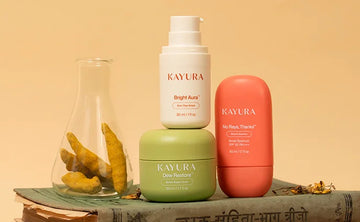
The No Rays Thanks Mineral Sunscreen SPF 50 PA++++ was formulated around exactly these criteria. It uses 15% non-nano zinc oxide as its only UV filter. A non-comedogenic formula that leaves no white cast and layers cleanly over everything underneath it. A phyto-blend of Ectoin, Asparagus, Picrorhiza, and Cyperus Rotundus (Nut Grass) Root Extract adds environmental and antioxidant protection on top of the UV coverage. This sunscreen is also NEA certified for sensitive and eczema-prone skin.

Read the Full Label, Not Just the Front!
Reading a zinc oxide sunscreen label from back to front takes thirty seconds and tells you everything. If silicone or alcohol appears in the top five ingredients of a mineral sunscreen, you should avoid the product, as that formula is built around texture, not skin health.
Kayura Effect formulates every product with ingredients chosen for what they do for your skin, not for how they make a formula feel on first application. If you have sensitive, reactive, or eczema-prone skin and are building a daily routine you can actually trust, explore the full sensitive skin range and start with what your skin genuinely needs.

Also Read:
- Broad Spectrum Sunscreen: What It Means and Why Your Skin Needs It Daily
- Why So Few Products Carry the National Eczema Association Seal
More Useful Links:
No Rays Thanks Mineral Sunscreen | Dew Restore Barrier Repair Cream | Karma Boost Vitamin C Serum
Frequently Asked Questions
The two active mineral sunscreen ingredients approved by the FDA are zinc oxide and titanium dioxide. Zinc oxide covers the full UVA and UVB spectrum. Titanium dioxide covers UVB and shorter-wave UVA but not the complete UVA range.
The most common causes are synthetic fragrances, heavy silicones (which cause buildup), denatured alcohol, and certain parabens. These are found in the inactive ingredient list; the active mineral UV filters themselves are rarely the source of irritation.
Non-nano zinc oxide as the only active, no chemical UV filters, no fragrance, no parabens, and a short inactive ingredient list. If the formula is also silicone-free, it is a good fit for oily or congestion-prone skin.
Nano particles are smaller and more transparent on the skin, whereas non-nano are larger and may leave a slight white cast. Non-nano particles are considered too large to penetrate the skin barrier. This makes them generally favored by health-conscious consumers and eco-conscious individuals.


Dew Restore™ Essence
Haldi Hydration Essence


Karma Boost™
Vitamin C + Antioxidant Serum


Golden Legacy™
Traditional Scalp & Hair Oil


No Rays, Thanks™
Mineral Sunscreen SPF 50 PA++++


