


Dark spots often stay long after a breakout or irritation has healed. Sunscreen for dark spots is often talked about in pigmentation discussions, but many people are unsure what role it actually plays or how it fits into the fading process.
This article explains the true role sunscreen plays in reducing visible pigmentation over time.
What Dark Spots Are and Why They Form
Dark spots are patches where the skin has produced more color than usual. This happens when cells in the skin release extra pigment as a response to stress or damage. The spots are usually flat, range from light brown to gray, and often show up on the face, hands, or shoulders.
Understanding this reaction is important because the next step is learning what keeps these spots active.
How Sun Exposure Affects Dark Spots
When skin is exposed to sunlight, it produces more pigment to protect itself. Over time, this pigment does not spread evenly. Instead, it gathers in certain areas, creating darker patches that are hard to fade.
Repeated exposure makes this worse. Each time the skin is stressed by sunlight, the pigment response restarts. That is why dark spots become deeper and more noticeable as years go by, especially on the face and hands.
This ongoing trigger is the reason fading feels slow, which brings us to the role sunscreen plays.


What Sunscreen Can and Cannot Do for Dark Spots
Sunscreen does not erase dark spots. It does not remove the color already sitting in your skin. This is why many people feel confused about the role of sunscreen for pigmentation.
What it does is stop the skin from being pushed into producing more pigment. By blocking sun exposure, the main trigger for excess pigment, sunscreen prevents existing spots from getting darker and reduces the chance of new ones forming. It also protects skin that is using brightening treatments, which can make the skin more sensitive.
This protective role is why sunscreen is the backbone of any dark spot routine, and dermatologists treat it that way
What Dermatologists Say About Sunscreen and Pigmentation
Dermatologists do not measure progress by how many products you apply. They first look at whether your skin is being protected well enough for any improvement to last. In clinical settings, sunscreen is treated like a daily guardrail. It keeps the skin from being disturbed over and over again.
When results slow down, doctors often find the issue is not the treatment, but small, repeated exposure that keeps waking pigment back up. Even short, regular exposure can make fading uneven or unpredictable.
That is why protection is usually addressed before changing serums or treatments. Once the skin is kept steady, everything else has a better chance to work.


Why Sunscreen Is a Must If You’re Treating Dark Spots
Most dark spot treatments work by helping the skin renew itself or calm pigment activity. But many of these products also make skin more sensitive.
Without sunscreen, repeated sun exposure gradually works against that progress. Over time, spots deepen again, and healing slows. Using the best sunscreen for hyperpigmentation prevents this cycle. It keeps inflammation low, protects new skin cells, and allows the fading process to continue without interruption.
Once sunscreen becomes a daily habit, choosing the right formula becomes the next step.
Choosing and Using Sunscreen for Dark Spot Care
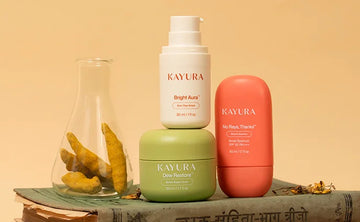
The right sunscreen should feel comfortable enough to use every day. Look for broad-spectrum protection and a higher SPF if you are prone to pigmentation. Mineral formulas, such as No Rays, Thanks™ Mineral Sunscreen SPF 50 PA++++, are often easier on sensitive or melasma-prone skin. Formulas that include iron oxides offer added protection against blue light, which is known to trigger pigmentation and worsen uneven skin tone.
Use enough to fully cover your face and neck, and remember areas like the ears and hairline. Reapply every two hours when outdoors or after sweating or swimming.


Common Myths About Sunscreen and Dark Spots
There are many beliefs about sunscreen that sound harmless, but quietly slow down dark spot fading.
Myth 1: Darker skin does not need sunscreen.
Fact: Every skin tone can develop dark spots. Deeper tones may even hold pigment longer, which makes protection just as important.
Myth 2: Makeup with SPF is enough.
Fact: Makeup is applied too lightly to give full coverage. It helps, but it cannot replace a proper layer of sunscreen.
Myth 3: Sunscreen is only for sunny days.
Fact: The light that affects pigment passes through clouds and windows, so daily use matters even indoors.
Myth 4: Sunscreen causes tanning.
Fact: Tanning is a sign of skin damage. Sunscreen reduces this damage and helps keep dark spots from deepening.
Understanding these facts helps you avoid habits that quietly keep dark spots around.
Final Takeaway
Sunscreen does not fade marks overnight. What it does is protect your skin from being pushed back into discoloration mode.
If you are using an even tone serum like Kayura’s Bright Aura™ Even Tone Serum, or antioxidant support from Karma Boost™ Vitamin C + Antioxidant Serum, sunscreen is what keeps those efforts from going to waste. For more help, read our guide:
The Right Amount Of Sunscreen To Use (Most People Get It Wrong).

FAQs


